

August is one of the most active months of the year in the Átl'ka7tsem / Howe Sound Biosphere Region, and the conservation organisations working here need your help to make the most of it. From monitoring fledgling Purple Martins in the Squamish Estuary to searching for Coastal Tailed Frogs in Gambier Island creeks, tracking Humpback Whales from the water, and harvesting fruit from Bowen Island trees that would otherwise go to waste, there are meaningful, hands-on ways to contribute to one of BC's most inspiring ecological recovery stories — whatever your schedule, skill level, or location.
Whether you're based in the region or travelling through with purpose, these opportunities give you direct, behind-the-scenes access to the biosphere's most important conservation work, and the chance to be part of something that genuinely matters. Explore this month's opportunities below, grouped by location!
Gambier Island, Howe Sound
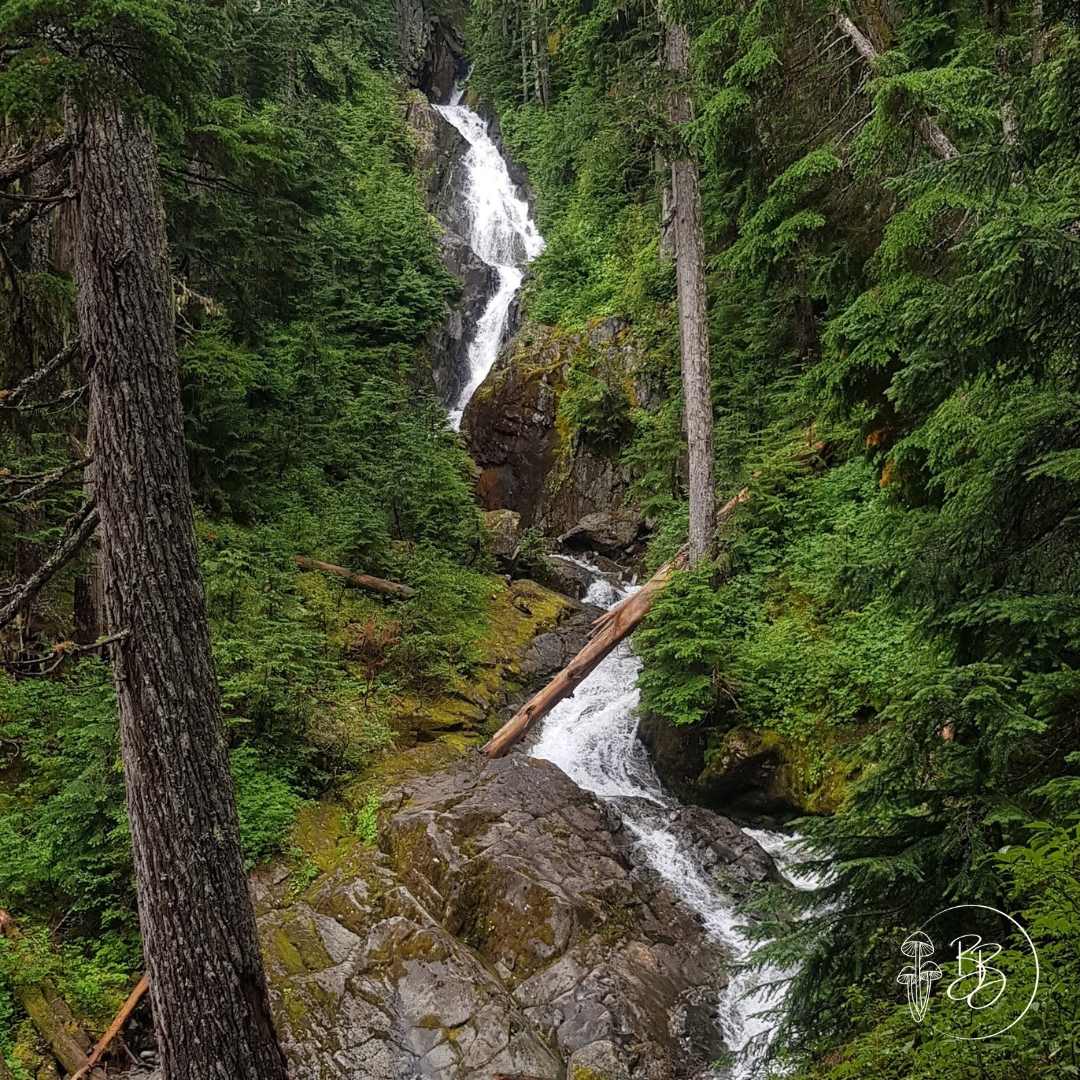
Stream Monitoring
Organiser: Gambier Island Conservancy
When: July - December
Where: Creeks across Gambier Island
Gambier Island's creeks are home to some of the most important and least-studied freshwater ecosystems in the region, including habitat for the Coastal Tailed Frog — a federal Species of Special Concern that depends on cold, stable, forested streams to survive. The Gambier Island Conservancy has spent five years building the first-ever distribution data for this species on the island, and their ongoing stream monitoring work continues to support it. Volunteers join streamkeeping activities, including stream habitat assessments, invertebrate surveys, water quality assessments, and spawner surveys that track returning salmon — one of the most reliable indicators of long-term stream health and the effectiveness of habitat stewardship over time. If you care about what lives in and around these creeks, this is a meaningful way to show it.
Requirements / What to Bring:
Waterproof footwear suitable for creek wading.
How to Apply: Email gambierconservancy@gmail.com
Gibsons, Sunshine Coast
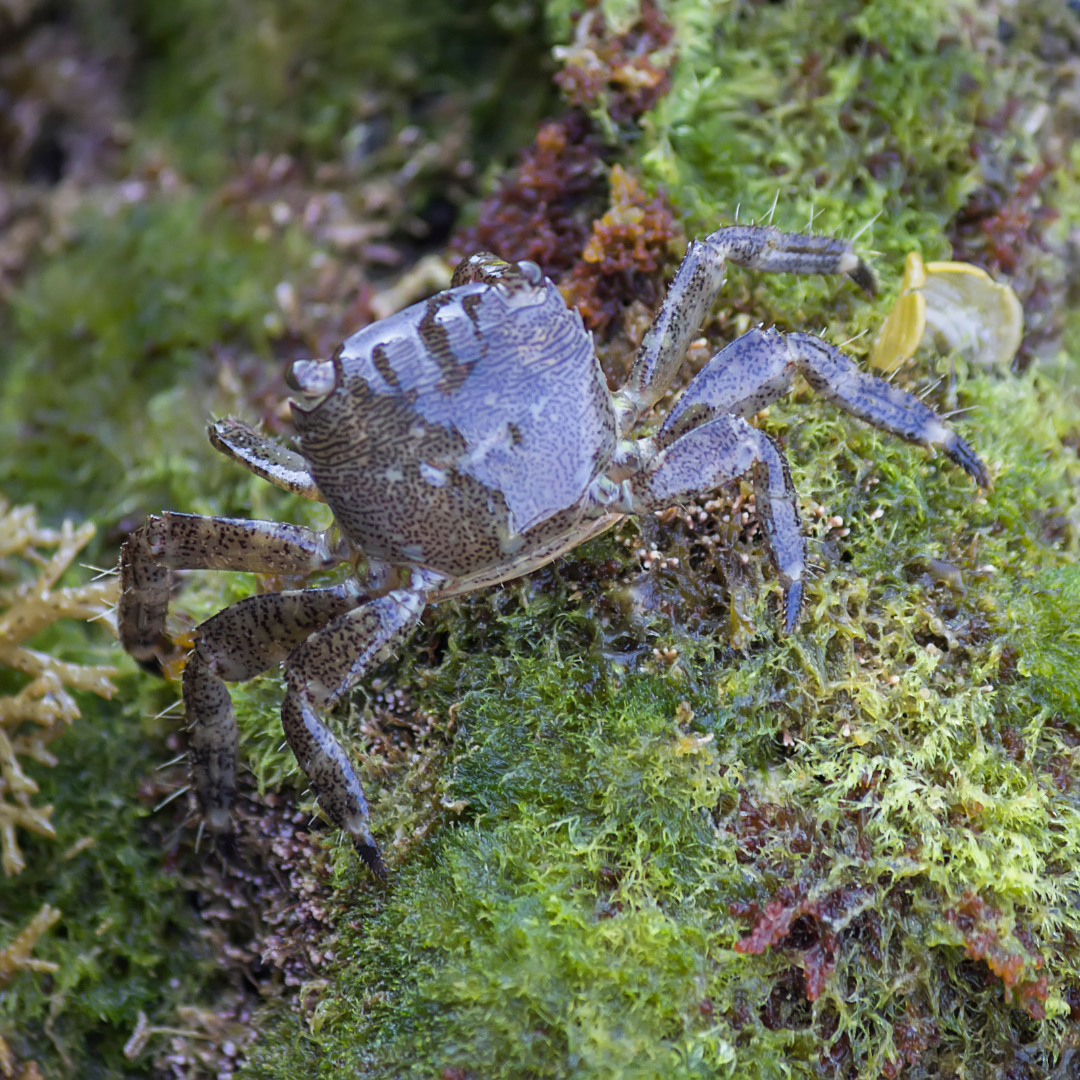
Monitor for European Green Crab
Organiser: BlueAct Marine Society
When: May to September
Where: Gibsons Harbour
BlueAct Marine Society runs a monthly trapping program from May through September, checking coastal waters around Gibsons for the presence of one of the world's most destructive invasive species before it has a chance to take hold. Green crabs can devastate eelgrass beds, the nursery grounds for juvenile fish and shellfish. Once established, they are extraordinarily difficult to control. This opportunity requires you to show up, check the traps, record what you find, and help ensure a healthy fjord stays that way.
Requirements / What to Bring:
Weather-appropriate layers and waterproof footwear.
A willingness to get wet and get your hands in the water.
How to Apply: Email volunteer@bluact.org
Image Credit: European Green Baby Crab on the Rocks by Getty Images
Be a Volunteer Aquarium Interpreter
Organiser: Tidepools Aquarium
When: Volunteer to sign up for shifts Tuesday – Sunday, 10:00 AM – 5:00 PM
Where: Gibsons Public Market
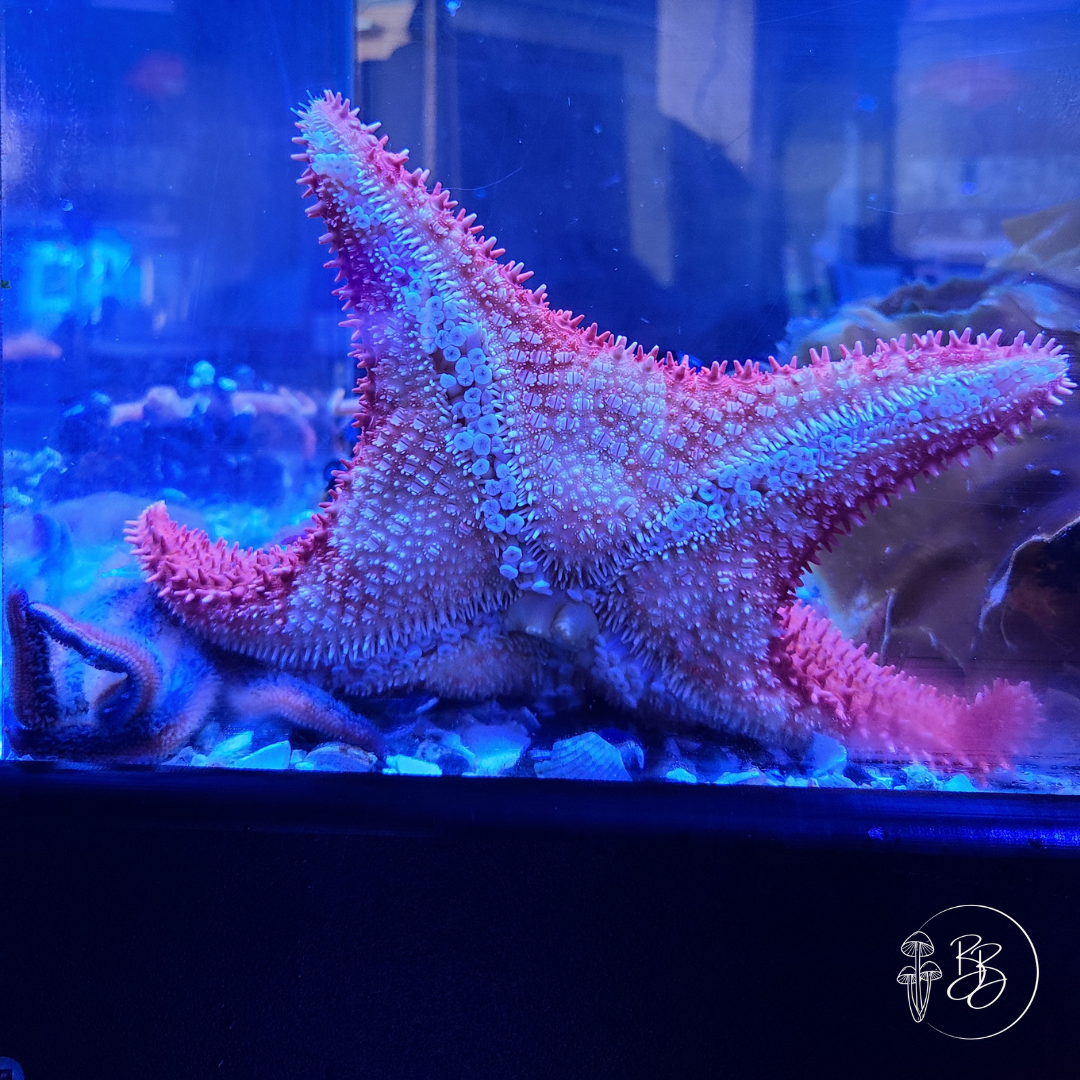
Inside the Gibsons Public Market, there is a 1,200 square foot world with over 70 species of local marine life. These species are collected from nearby harbours and bays, housed in 30 distinct habitats, and regularly returned to the ocean. As a volunteer interpreter at the Tidepools Aquarium, you will assist with animal feeding, interacting with guests, and bringing the exhibits to life through conversation and storytelling.
Requirements / What to Bring:
Enthusiasm for sharing the ocean with others.
Comfortable clothing and closed-toe shoes suitable for an aquarium environment.
How to Apply: Email info@tidepoolsaquarium.org
Image: A sea star at the Tidepools Aquarium by Sophie Cheshire
Answer the Call: Join the Rescue Crew
Organiser: Royal Canadian Marine Search and Rescue, Station 14 Gibsons
When: Year-round
Where: Gibsons Harbour
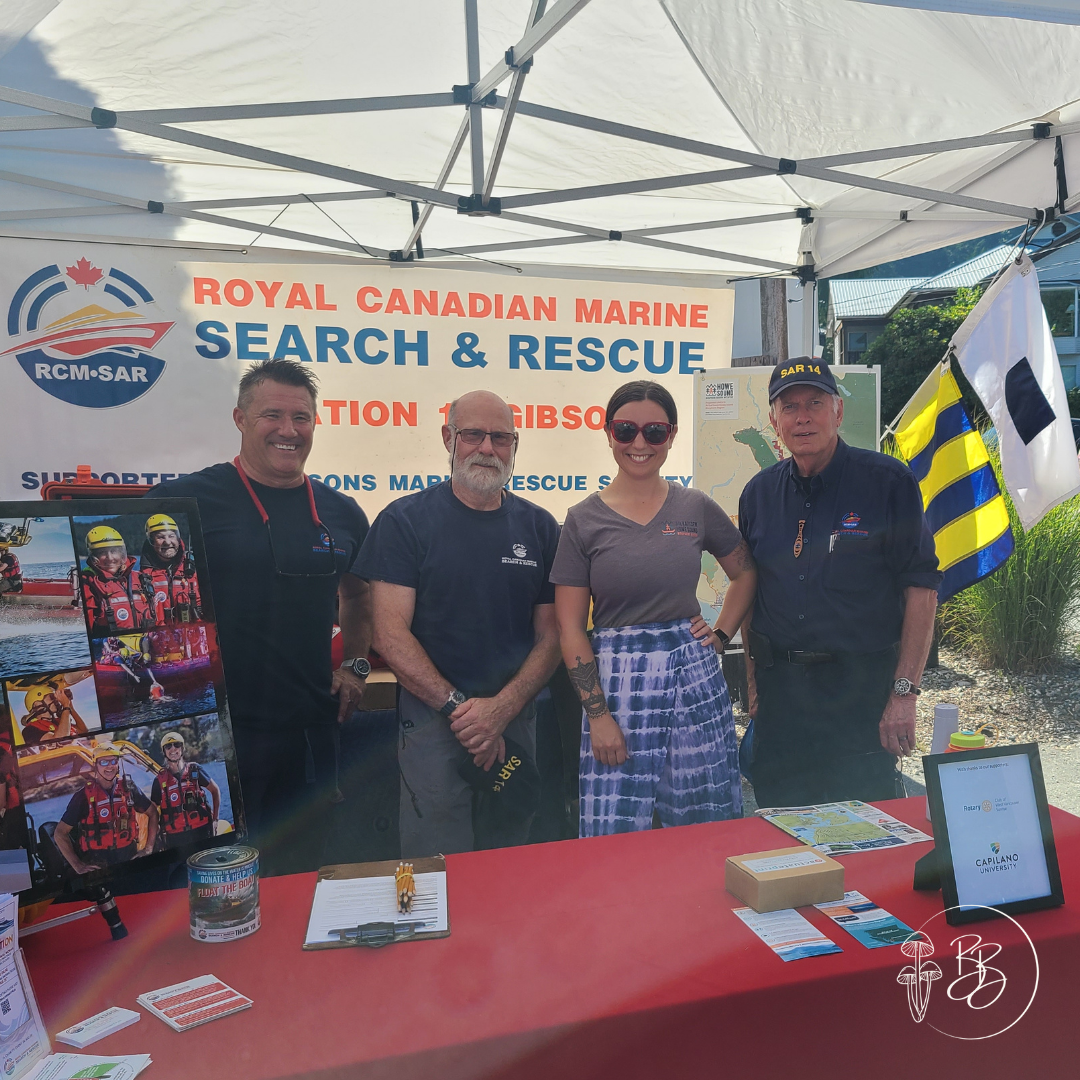
Howe Sound is a place of extraordinary beauty — and conditions that can change fast. Wind patterns shift, currents run strong between the islands, and when something goes wrong on the water, it's the volunteer crew of RCMSAR Station 14 in Gibsons who answer the call. Joining that crew means committing to world-class training in seamanship, navigation, marine first aid, and rescue operations, and becoming part of a network of people who show up — in all weather, at all hours — to keep this fjord safe for everyone who loves it.
Requirements / What to Bring:
19 years of age or older.
PCOC (Pleasure Craft Operator Card) licence.
Ability to respond to calls at Gibsons Harbour within minutes while on call.
Minimum two-year commitment to the unit.
Physical fitness for hours on the water in rough conditions.
How to Apply: Complete the Expression of Interest form at this link.
Image: The RCMSAR crew in Gibsons by Sophie Cheshire
Squamish
Join the Squamish Estuary Bird Count
Organiser: Nature Squamish
When: Sunday August 9, 7am – 12pm
Where: Squamish Estuary
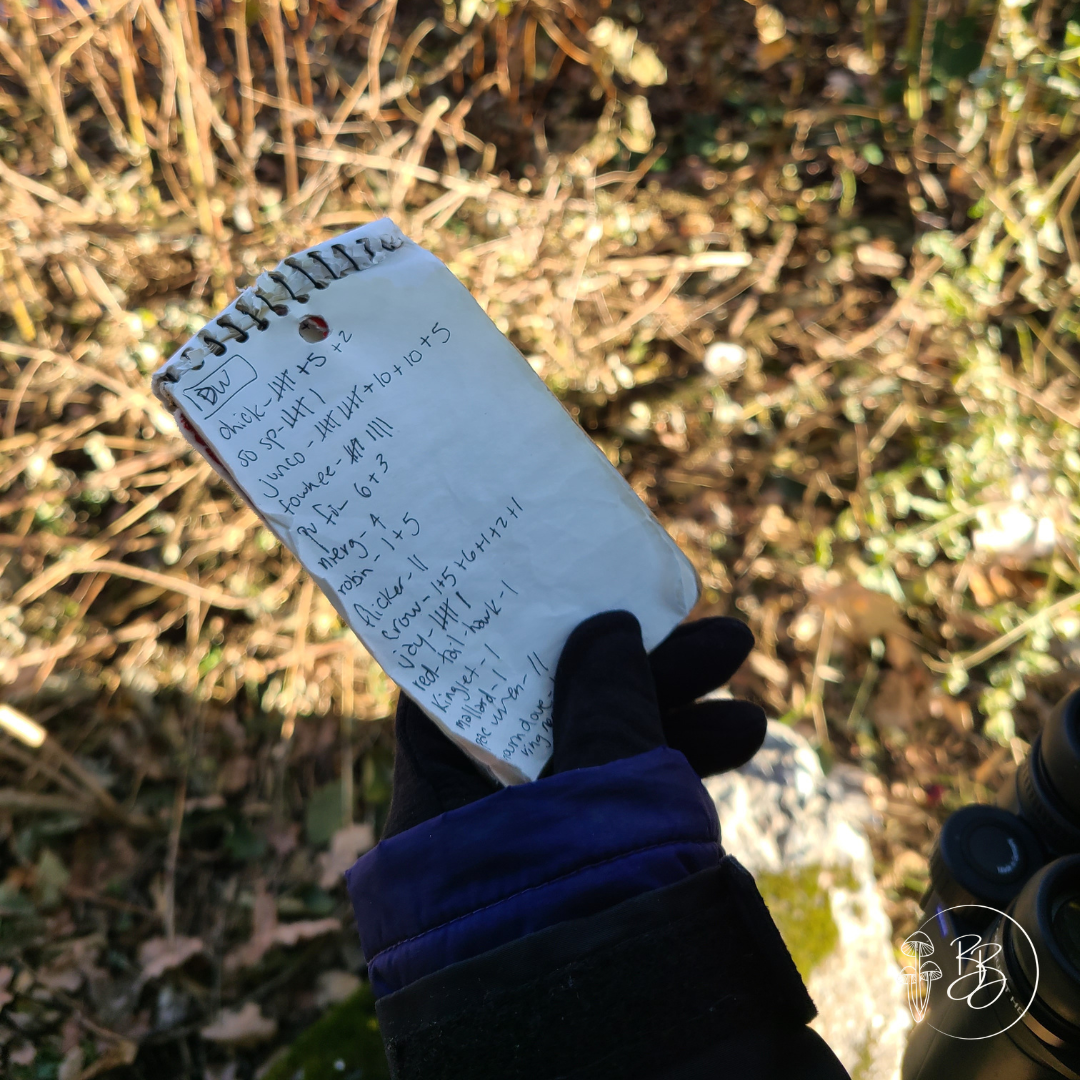
Every month since 1991, a small community of dedicated observers has fanned out across the Squamish Estuary — binoculars raised, notebooks ready — to count every wing they can find. The data they have gathered is now one of the most detailed long-term bird datasets in British Columbia. The estuary is home to over 235 species, and in June, it pulses with life: breeding residents filling the marshes, sloughs, and tidal flats with movement and song. Four groups form at the meeting point and head out across floodplain forest, rivers, sedge meadows, and open water. Count leaders know this landscape intimately and welcome all skill levels.
Requirements / What to Bring:
Weather-appropriate layers and rain gear.
Sturdy footwear for uneven and muddy ground.
Binoculars.
Water and snacks.
Optional: field guide or bird ID app such as Merlin.
How to Apply: Register on Facebook
Image: A list of birds counted during the monthly bird count by Sophie Cheshire
Monitor Purple Martins in the Estuary
Organiser: Nature Squamish
When: Mid-April – Mid-September. 10–20 minutes per visit, as often as you like.
Where: Squamish Estuary
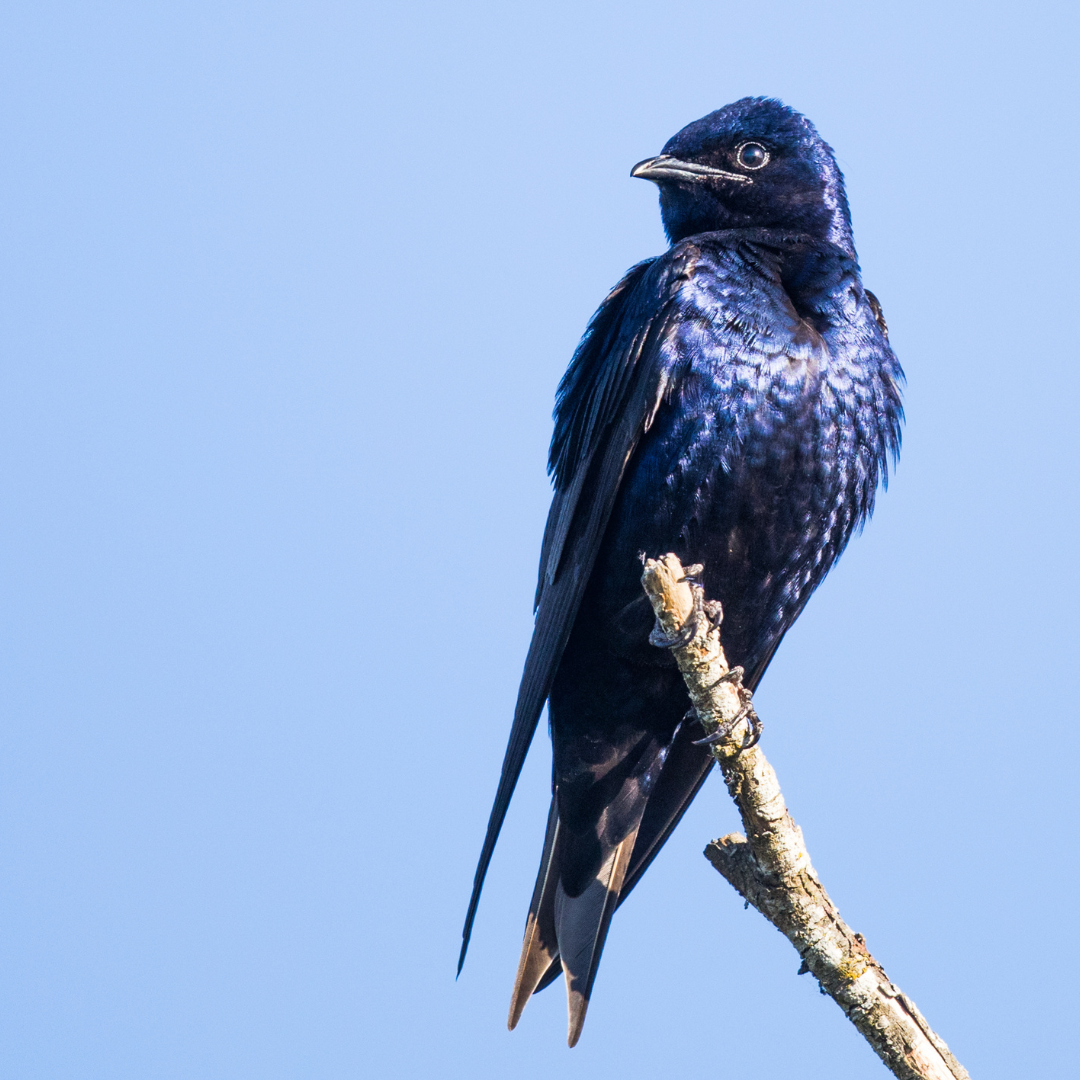
Every spring, after a roughly 13,000 km journey from South America, the Western Purple Martin returns to the Squamish Estuary to nest and raise its young. This is a Blue-listed species in BC — at risk, and entirely dependent on artificial nest boxes to survive. Nature Squamish invites you to be part of their recovery story. Your role is simple: visit the nest boxes in the estuary, spend 10–20 minutes observing and recording what you see — arrivals, nesting activity, fledglings — and submit your data. Every single visit counts. Remote and home-based monitoring options are also available for those who can't make it to the estuary in person.
Requirements / What to Bring:
Binoculars and/or a spotting scope (can be provided if needed).
Your completed data sheet (provided at training).
Weather-appropriate layers.
How to Apply: Fill in this contact form.
Image Credit: Majestic Purple Martin Surveys His Territory by Jeff Huth
Monitor Western Toads at Alice Lake
Organiser: Nature Squamish
When: Late March – August. 2–4 hours per shift, min 3 shifts across the season.
Where: Alice Lake Provincial Park
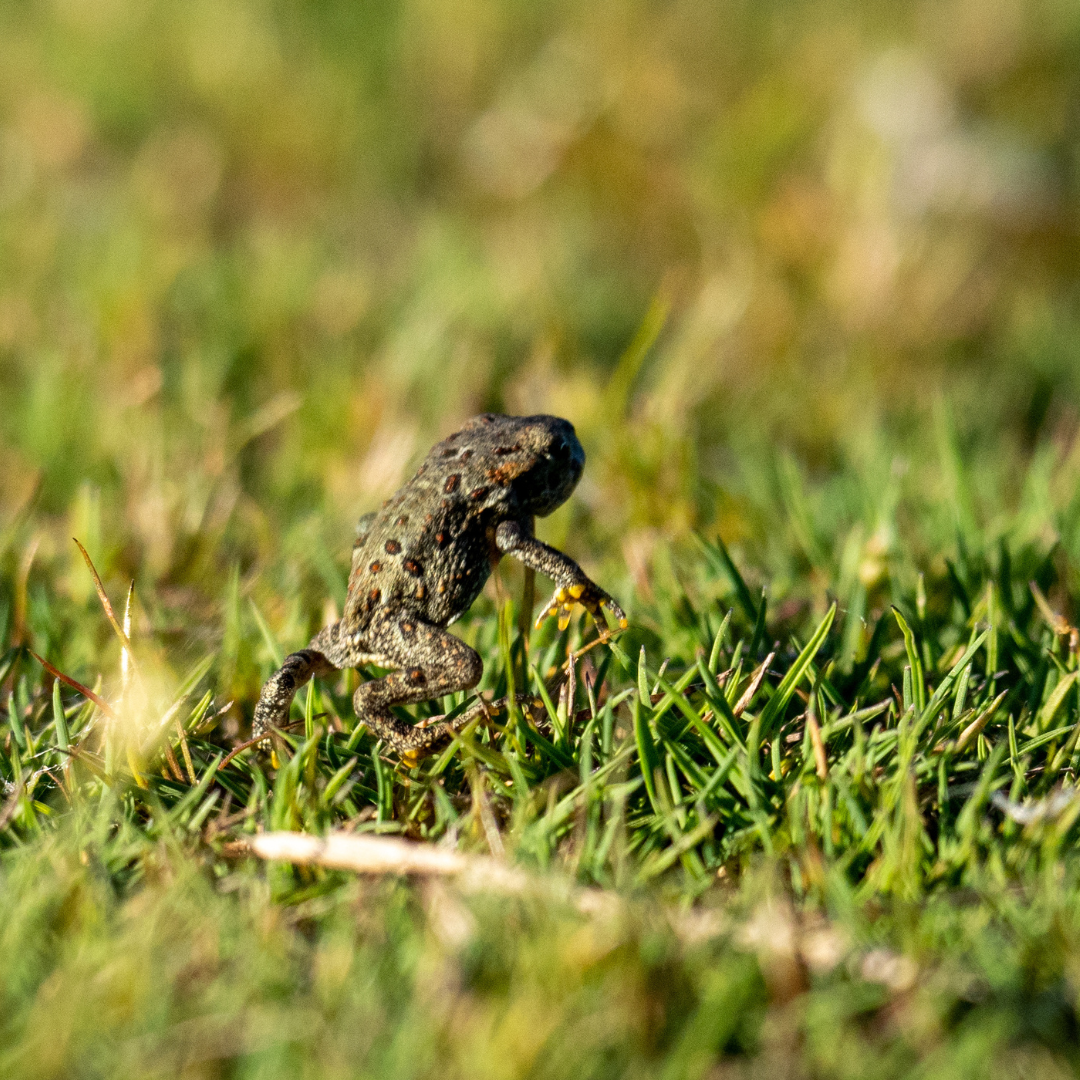
Each spring, Western Toads emerge from their winter burrows and begin the journey to the shores of Fawn and Edith Lakes at Alice Lake Provincial Park. They are also in trouble. Listed as a federal Species of Concern, their populations are declining across BC's south coast. Nature Squamish and BC Parks are working together to understand and protect the local breeding population, and they need your eyes and your patience. Surveys happen on foot and by kayak across three phases of the toad's breeding cycle: adult mating in spring, tadpole development through early summer, and the mass toadlet migration into the forest.
Requirements / What to Bring:
Sturdy footwear for uneven and slippery ground.
Weather-appropriate layers and rain gear.
Water and snacks for a 2–4 hour shift.
Survey data sheet (provided at training).
How to Apply: Email toads@squamishenvironment.ca
Image Credit: A Western Toad by Kyle Kulas
Volunteer to Remove Invasive Burdock
Organiser: Sea to Sky Invasive Species Council
When: May – October
Where: Squamish
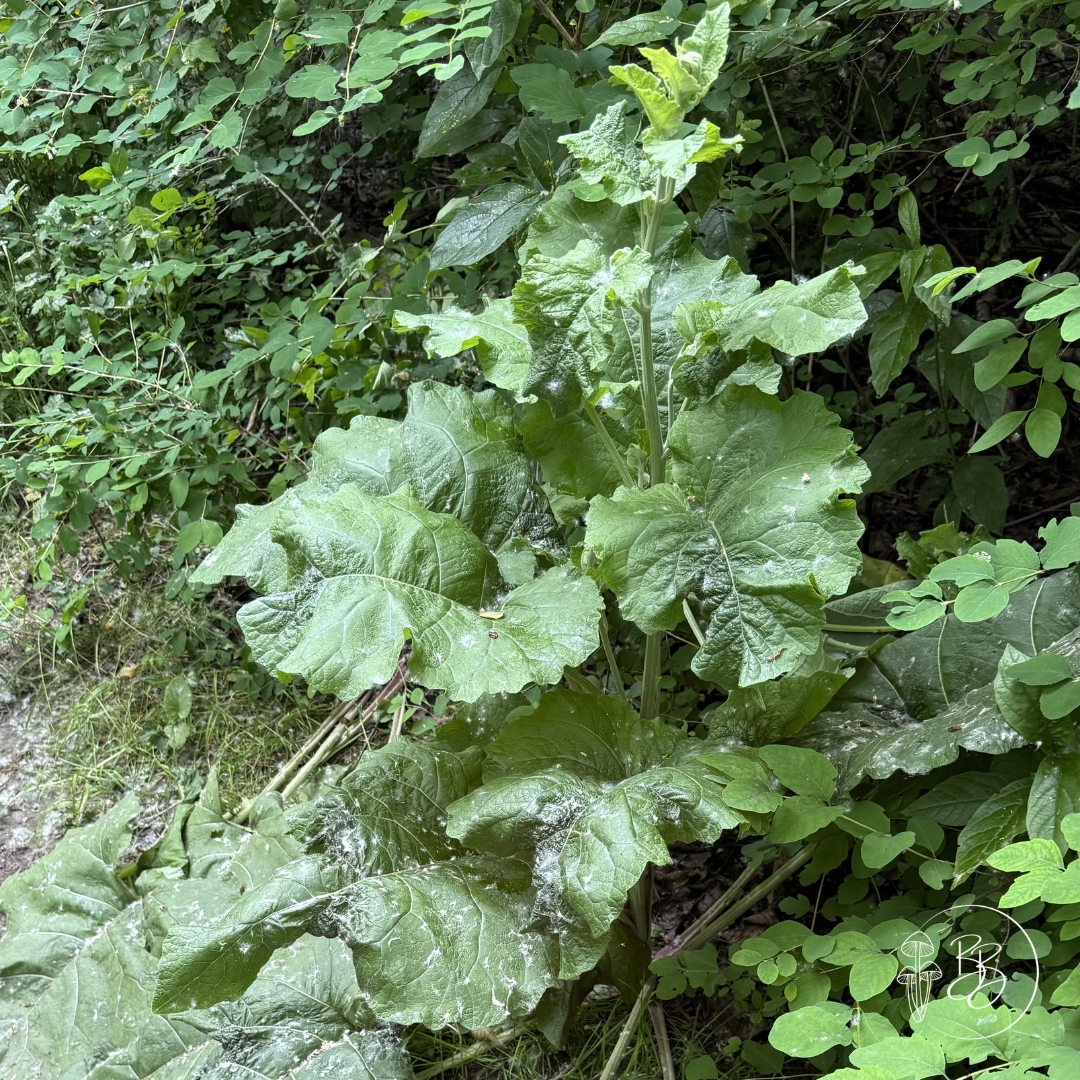
Every summer, a determined community of volunteers fans out along Squamish trails and public land with shovels and bags, on a mission to banish one of the region's most persistent invaders: common burdock. Through the Banish Burdock program, you adopt a short section of trail or a small patch of public land and commit to keeping it burdock-free for the season. No experience required — SSISC provides all equipment, training, and support. You can do this alone, with a friend, or with your whole team. Over time, as the burdock thins, you will begin to see native plants — thimbleberries, pearly everlasting — move back in. Volunteers who complete the season are entered into a draw for prizes from local businesses.
Requirements / What to Bring:
Yourself and any willing friends, family, or co-workers.
Sturdy footwear and clothing you don't mind getting dirty.
How to Apply: Pick a trail and fill in the form on their website.
Image Credit: Burdock by Sophie Cheshire
West Vancouver
Volunteer for Creek Sampling
Organiser: West Vancouver Streamkeeper Society
When: Spring and Summer
Where: West Vancouver
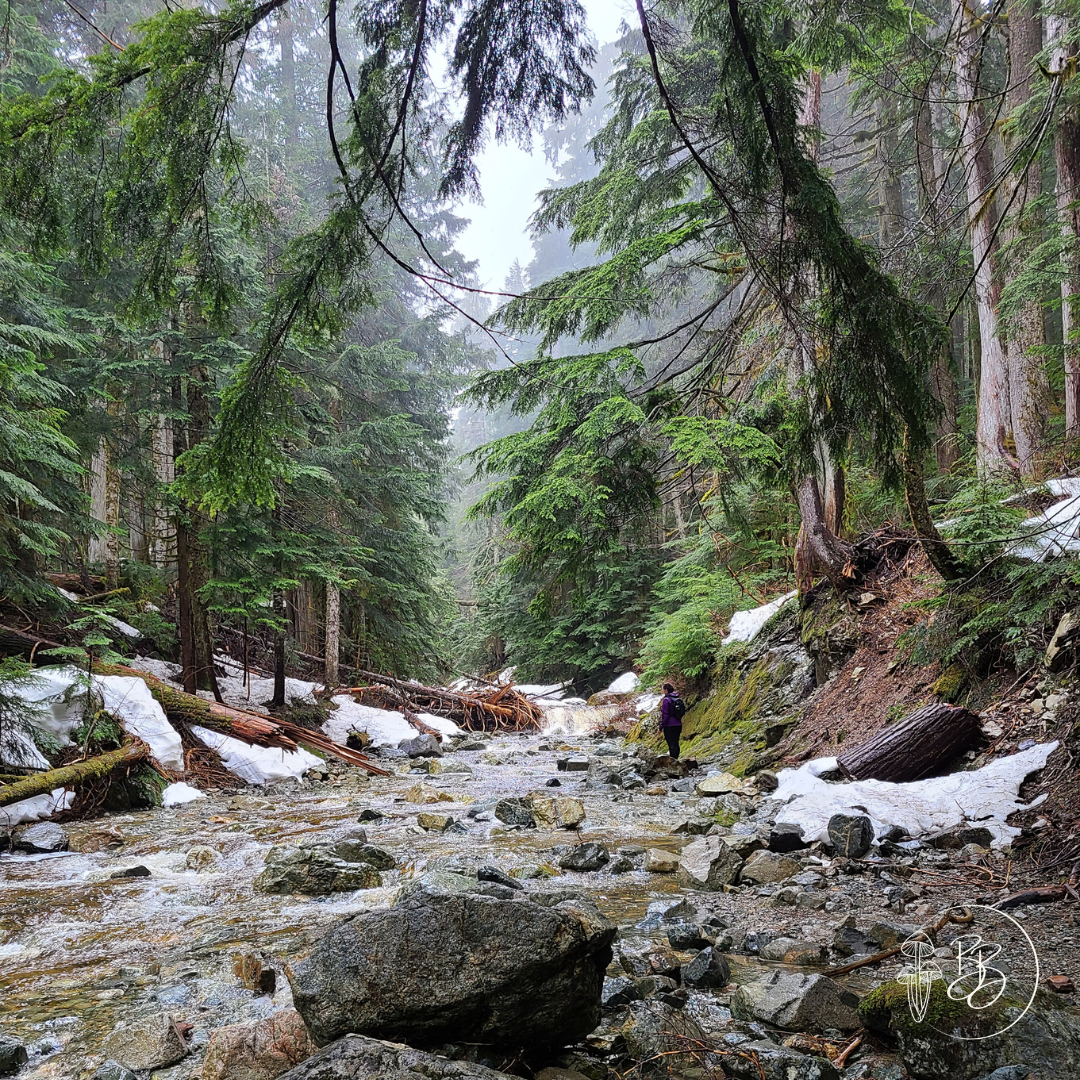
A healthy creek announces itself in the details: the right insects in the water, a pH within a safe range, dissolved oxygen levels that allow salmon fry to breathe, a temperature that hasn't crept too high. West Vancouver Streamkeepers' Citizen Science program sends volunteer teams to nine key streams each spring and summer to perform aquatic insect sampling and record water quality data. Aquatic invertebrates are one of ecology's most reliable indicators of stream health — the presence or absence of particular species tells a story that no single water chemistry reading can fully capture. No prior experience required; training is provided before you head out to your assigned streams.
Requirements / What to Bring:
Waterproof footwear and weather-appropriate layers.
Curiosity — all equipment and training are provided.
How to Apply: Become a member and apply to volunteer on the WVS website.
Image: A stream in West Vancouver by Sophie Cheshire
Dive for Discovery: Be a Volunteer Diver
Organiser: Marine Life Sanctuaries Society
When: May to October
Where: Howe Sound
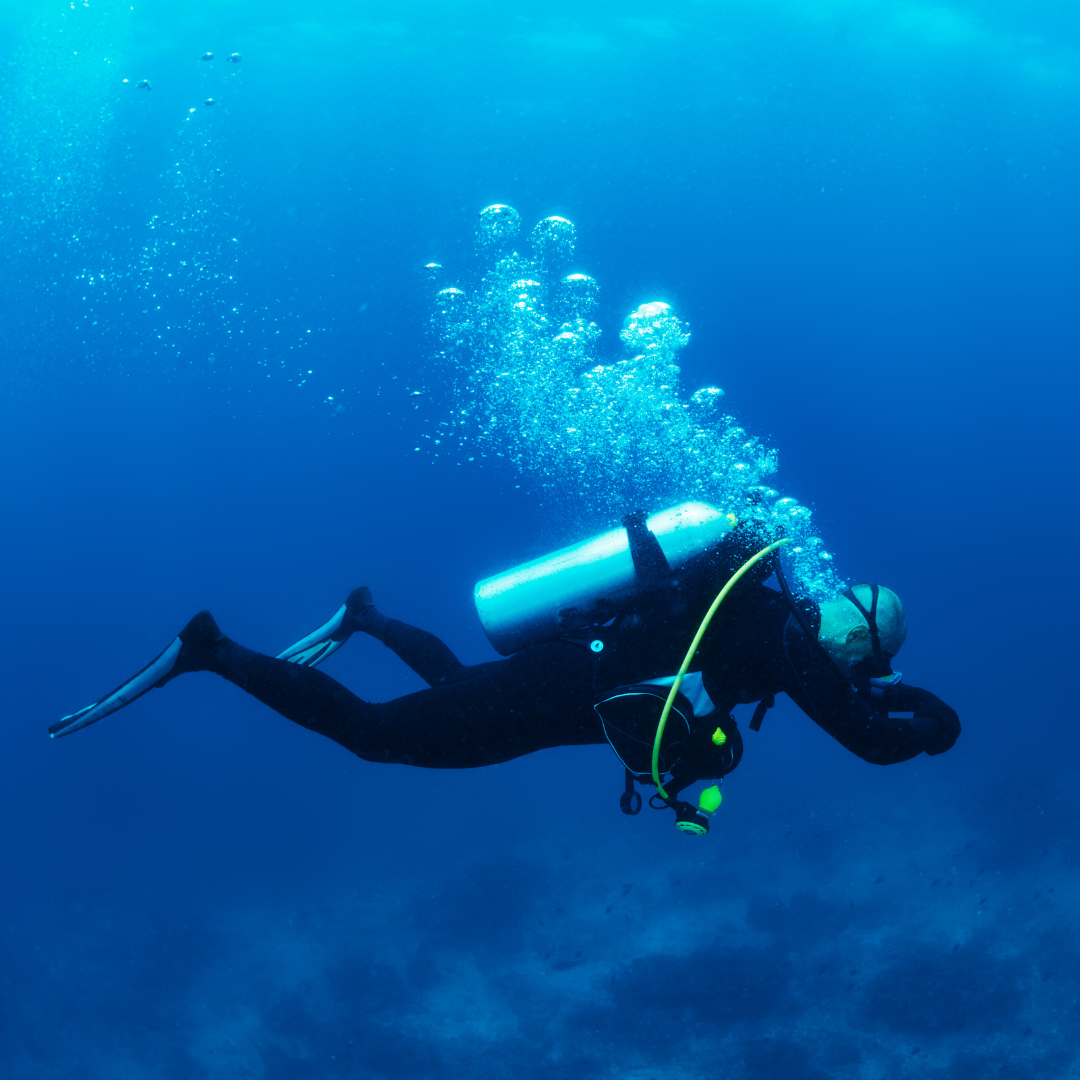
You know what lives below the surface — the nudibranchs in the crevices, the sea stars on the rocks, the crabs tucked into the kelp. As a Beach Interpretation Program volunteer diver with MLSS, you collect local marine specimens under permit at sites including Porteau Cove, Whytecliff Park, and Bowen Island, bring them gently to shore for temporary display, then return every organism to its home once the event ends. Experienced cold-water divers only.
Requirements / What to Bring:
Your own dive gear suitable for cold BC waters.
Current dive certification and logbook.
A passion for using your skills in the service of marine conservation.
How to Apply: Fill in the contact form on the MLSS website.
Image Credit: Scuba diver by Getty Images.
Volunteer as a Beach Interpretation Guide
Organiser: Marine Life Sanctuaries Society
When: May to October
Where: Whytecliff Beach, Porteau Cove, and Bowen Island
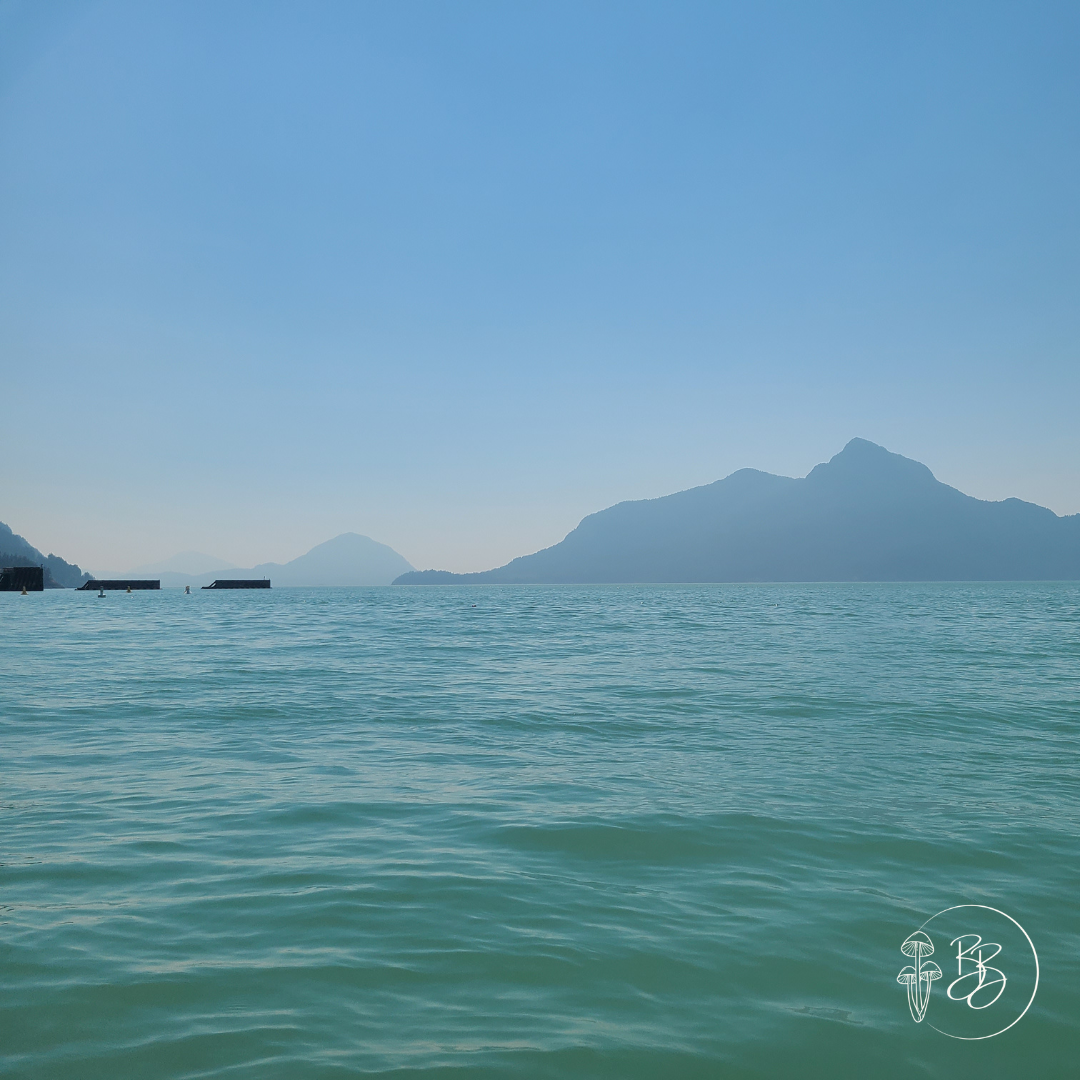
Most people have never seen a living nudibranch. Or a decorator crab moving across a rock in real time. MLSS BC's Beach Interpretation Program changes that — bringing the subtidal world to shore in mobile seawater tanks, and placing you beside them as the person who brings it all to life. You'll share natural history, guide hands-on interactions, and help visitors understand what they're looking at, where it came from, and why it matters. No marine biology background required.
Requirements / What to Bring:
Clothing you don't mind getting wet or sandy.
Weather-appropriate layers for a day on the BC coast.
Enthusiasm for sharing marine life with others.
How to Apply: Fill in the contact form on the MLSS website.
Image: Porteau Cove by Sophie Cheshire
Join the Rockfish Citizen Science Program
Organiser: Marine Life Sanctuaries Society
When: Year-round
Where: Howe Sound
Some rockfish live to be over 100 years old. They are slow to grow, slow to recover — and in Howe Sound, they remain in critically low numbers despite the Rockfish Conservation Areas established to protect them. MLSS BC's Rockfish Monitoring Program puts volunteer divers in the water to conduct standardised surveys of rockfish abundance, age class, and habitat use. Your dives today build the baseline against which any future recovery will be measured. Experienced cold-water divers only.
Requirements / What to Bring:
Your own dive gear suitable for cold BC waters.
Current dive certification and logbook.
Underwater writing slate or survey clipboard.
How to Apply: Find out more information on the MLSS website.
Image Credit: Scuba diver by Getty Images.
Volunteer from Anywhere in BC
Count Bats at Dusk
Organiser: Community Bat Programs of BC
When: July 11–August 5 at sunset with counts lasting 30–90 minutes.
Where: Anywhere
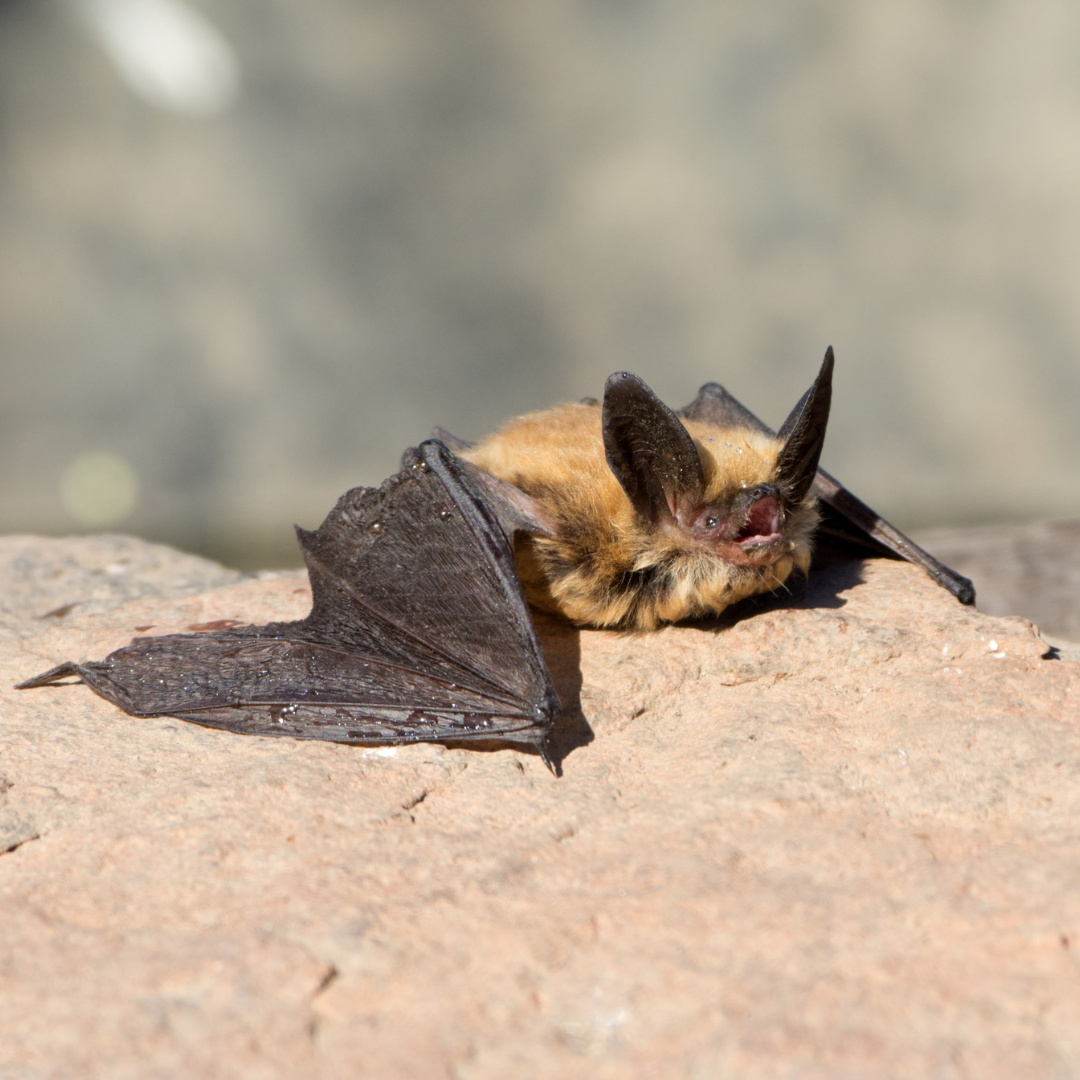
As daylight softens and the world begins to quiet, a different kind of movement begins. Bats emerge from their roosts — small, fast, and often unseen — playing a vital role in ecosystem health. The BC Annual Bat Count invites you to witness this moment and turn it into something meaningful. By simply counting bats as they leave their summer roosts, you contribute to a province-wide effort to understand how bat populations are changing over time. These roosts are maternity colonies — where female bats raise their young. With White-nose Syndrome spreading across North America, this data has never been more important. You choose how deeply to participate: one evening or many. Every count adds to the picture.
Requirements / What to Bring:
Weather-appropriate clothing.
Chair or blanket (optional).
Bat counter app or hand clicker.
Data sheet (printed or digital).
How to Apply: No application necessary, find all relevant resources here.
Image Credit: A Townsend's Big Earred Bat resting on a rock by Getty Images
Become a Butterflyway Ranger
Organiser: David Suzuki Foundation
When: February – October. Roughly 8 hours per month during your first season.
Where: Anywhere!
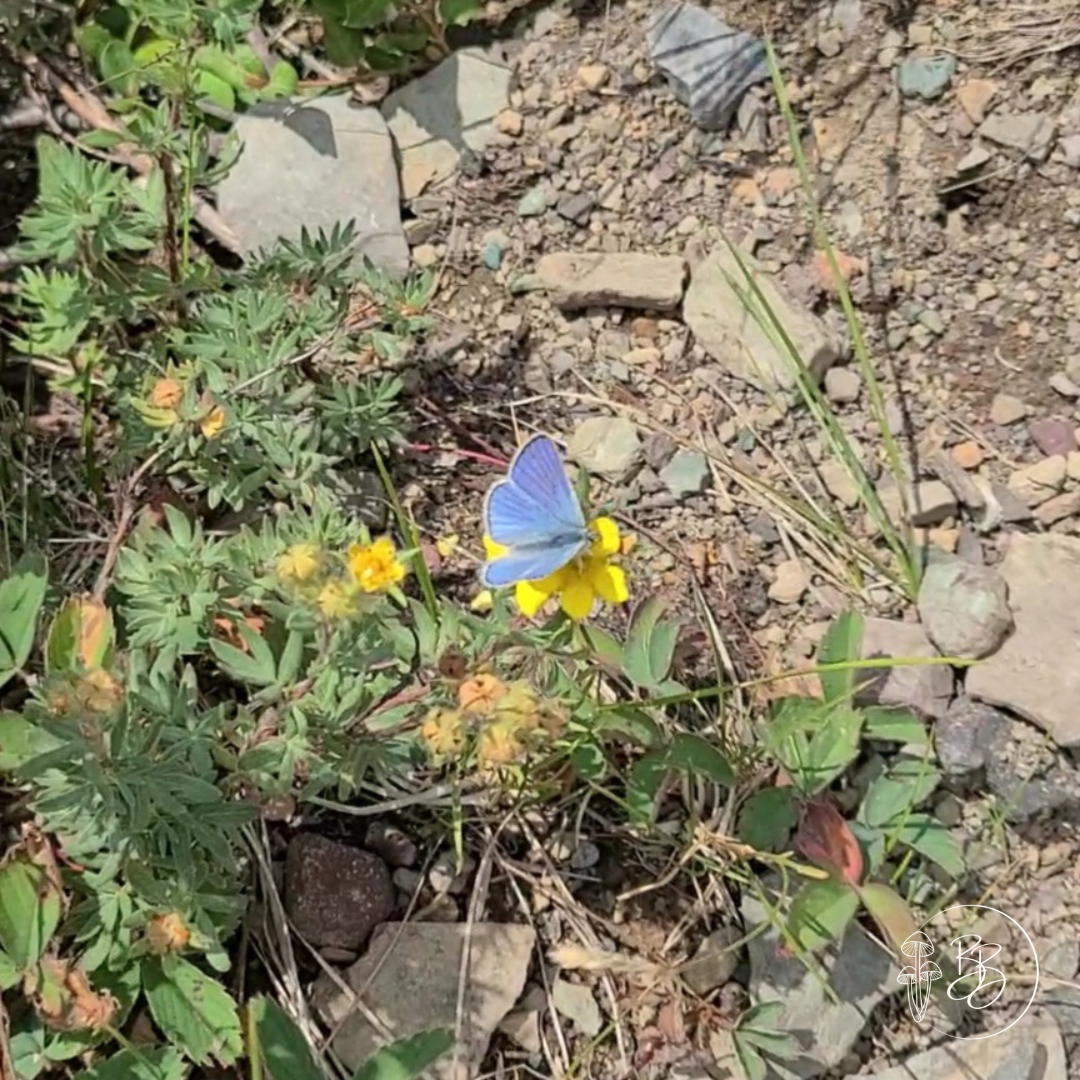
The bees are disappearing and so are the butterflies. The wildflowers they depend on have been quietly replaced, garden by garden, with lawns and pavement. The Butterflyway Project — a volunteer-led movement launched by the David Suzuki Foundation in 2017 — is rebuilding pollinator habitat across Canada, one native garden at a time. As a Butterflyway Ranger, you organise a small local team, plant native wildflowers and shrubs, and work toward 12 connected habitat gardens in your community — the threshold for an official Butterflyway. Since 2017, 1,850 Rangers have established 7,600 habitat gardens and planted 157 official corridors across Canada. No gardening expertise required — just curiosity, care, and a willingness to show up.
Requirements / What to Bring:
Curiosity and a love of nature.
A willingness to connect with your neighbours and local community.
No prior gardening knowledge required.
How to Apply: Apply on the DSF website.
Image: An Anna’s Blue Butterfly by Sophie Cheshire
Turn Whale Encounters into Conservation Data
Organiser: Marine Education & Research Society
When: Year Round
Where: Howe Sound
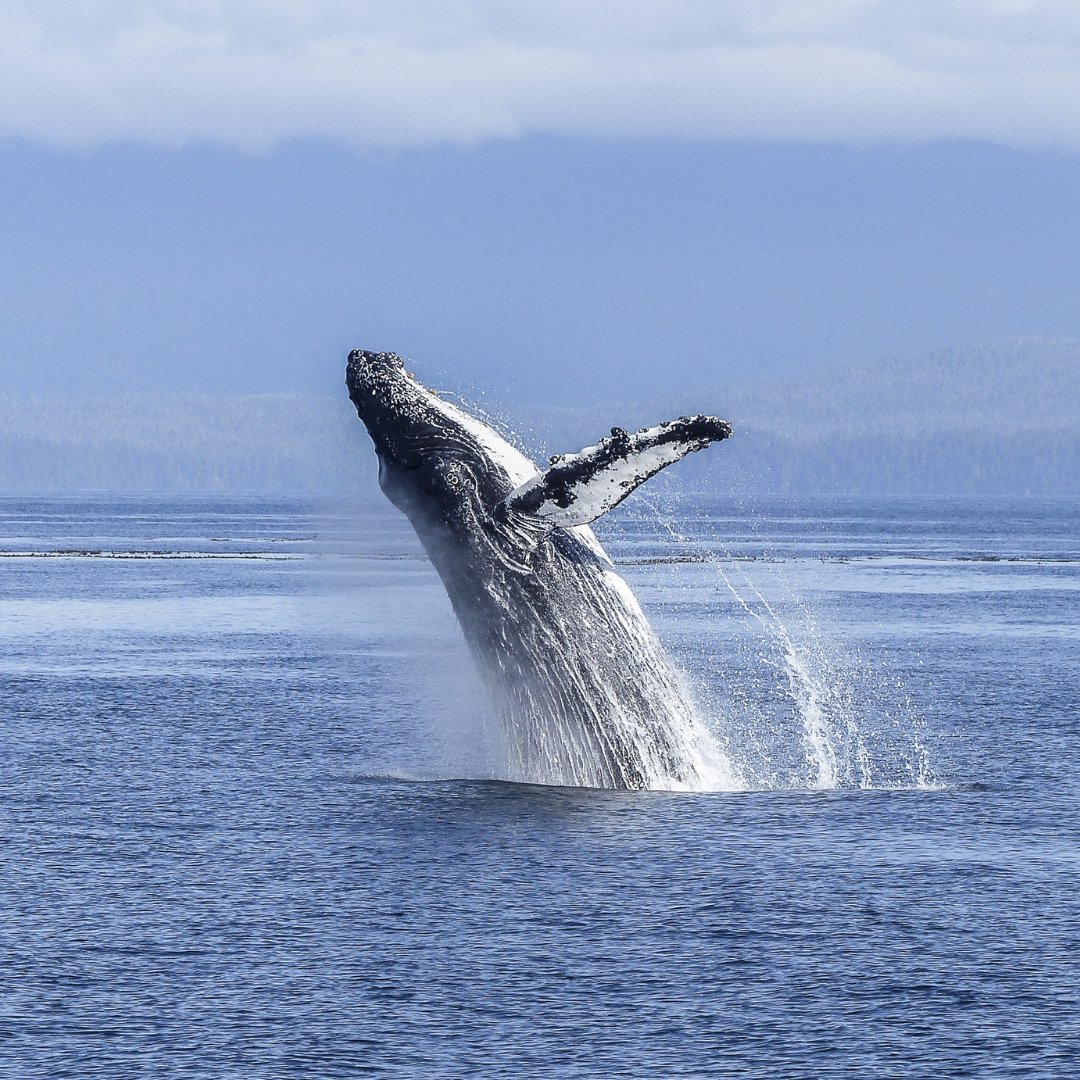
Every Humpback Whale off the BC coast has a unique identity. The pigmentation of their fluke — the underside of their tail — is as individual as a fingerprint. The Marine Education & Research Society (MERS) has been building a catalogue of individual Humpback Whales since 2004, coordinating the Canadian Pacific Humpback Collaboration — a province-wide database that directly informs the policy decisions that determine whether these whales are protected. If you're on the water anywhere along the BC coast this summer and you spot a Humpback, you can contribute. Photograph the fluke or dorsal fin from a legal distance of at least 200 metres, note the date, time, and location, and submit it online. No training required.
Requirements / What to Bring:
A camera, smartphone, or any device capable of taking a clear photograph.
How to Apply: No application necessary – enter your data on the MERS website.
Image Credit: A humpback whale by Pixabay
Átl'ka7tsem / Howe Sound is one of the great ecological comeback stories on the Pacific coast — a place where herring have returned to spawn, where Humpback Whales are once again a common sight in waters that fell silent for decades, and where the work of recovery is visible if you know where to look. That recovery doesn't happen on its own. It happens because people choose to show up — to count, to monitor, to restore, to protect — month after month, season after season.
Every opportunity listed here is a direct way to be part of that story, whether you have a single morning to spare or are ready to make a longer commitment. Choose the one that fits your life, reach out to the organiser, and add your presence to one of the most meaningful conservation efforts on the BC coast.
📩 Sign up for the Biosphere Bathing newsletter to get these opportunities sent straight to your inbox every month!