

About Biosphere Bathing
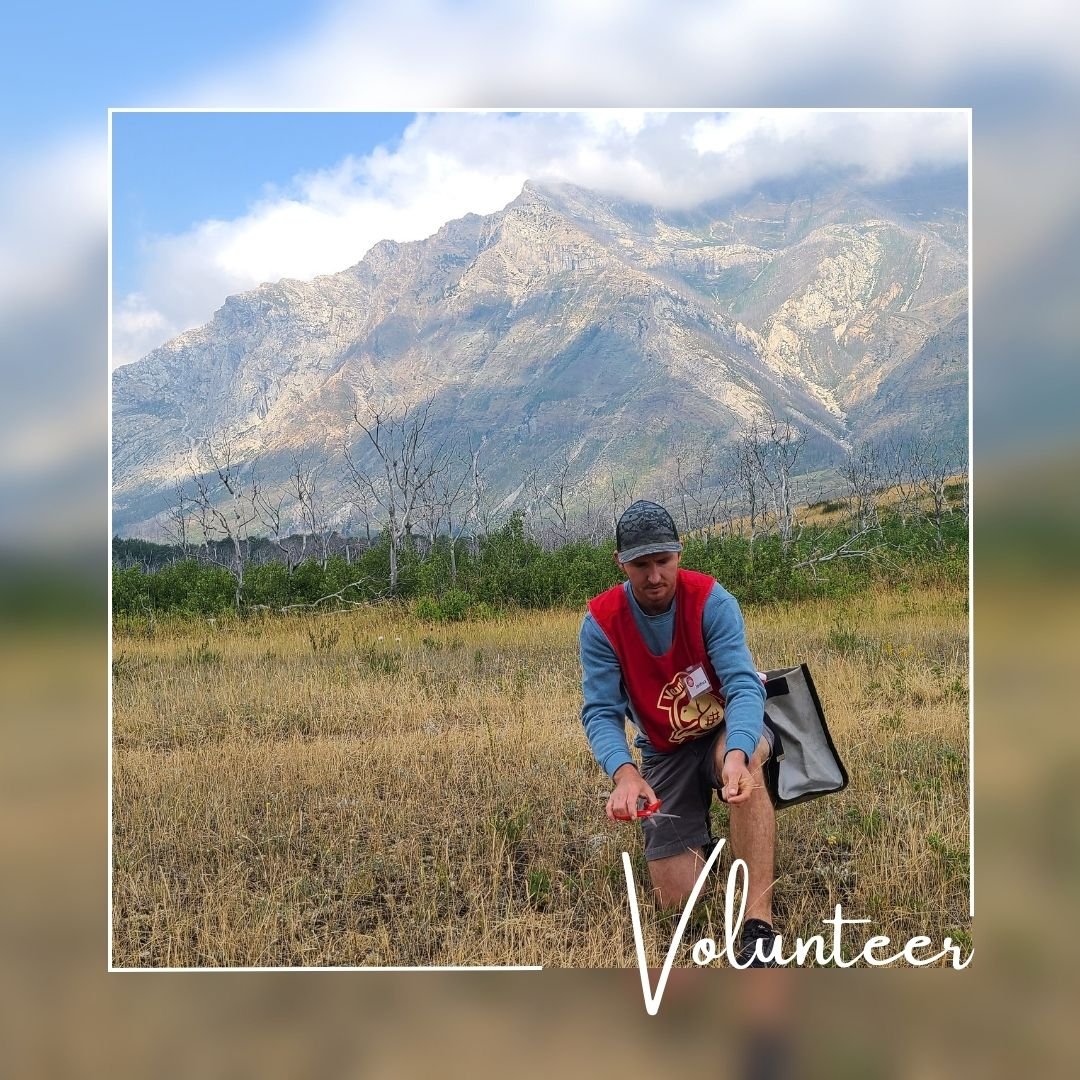


Volunteer. Explore. Regenerate
Biosphere Bathing was born of the idea to get more people interested in conservation, particularly when they are travelling. Studies show that the more connected people are with nature, the stronger they feel toward working to protect it. Biosphere Bathing provides that much needed link between conservation work and travel, where explorers contribute to the regeneration of the host community. This is known as Regenerative Tourism - where explorers contribute to the regeneration of the host community by actively participating in activities that promote conservation, restoration, and sustainable development, ultimately enhancing the local environment and community of the regions they visit.

Why Biosphere Bathing?
Biosphere Bathing is a blend of Biosphere Regions and the art of Forest Bathing.
What’s a Biosphere Region?
Essentially, a UNESCO Biosphere Region is a place, a place that is globally unique in ecological significance. A place that has been certified by UNESCO (United Nations Educational, Scientific and Cultural Organization) as a region where communities come together to find creative solutions for sustainable living. A place that combines both science, and nature, with a view to improve both natural ecosystems and human livelihoods.
“Where nature and humanity thrive”
There are over 700 Biospheres worldwide! Each boasts unique landscapes, forward-thinking strategies for biodiversity conservation, and regenerative tourism practices that benefit both nature and local communities. Our goal is to bring them to you!
Have you heard of the art of Forest Bathing?
Forest Bathing is a Japanese practice known as Shinrin-yoku, where one fully immerses themselves in a forest, away from the noise and chaos of daily life, allowing one to be fully present in their surroundings
Biosphere Bathing invites you to fully immerse yourself in the unique experiences our Biosphere Regions have to offer. Surrender to the beauty and wonder of these extraordinary places while learning about biodiversity conservation, engaging in regenerative tourism, and enjoying outdoor recreation in some of the world's most spectacular natural landscapes
-
To build a community of explorers and transform them into stewards of our world’s biosphere regions through regenerative tourism experiences.
-
Conservation Conversations: Educating explorers on biodiversity conservation projects happening within the Biosphere Region they are visiting.
Building Community: Building a community of like-minded explorers who contribute to this new wave of regenerative tourism.
Regenerative Tourism: Regenerating the host community through volunteer projects
Integrity and Authenticity: We only promote projects that genuinely make a positive impact.
-
Conservation Conversations: Blog Posts showcasing stories of biodiversity conservation and regenerative tourism projects within Biosphere Regions
Travel Guides: Travel Guides for Biospheres Worldwide highlighting Biodiversity Conservation projects, Regenerative Tourism activities you can get involved in, and the best outdoor recreation activities to participate in
-
Biosphere Bathing was created by a former Capilano University Outdoor Recreation student and sustainability advocate, Sophie Cheshire.
“After spending a year working as an ambassador for the Howe Sound Biosphere Region, I realized the need for a link between the incredible work being undertaken by local non-profit organisations toward biodiversity conservation and outdoor recreation type travel (my passion).
After talking to many non-profit organisations in the Howe Sound region, I realised that there is a big need for more volunteers and more marketing and awareness of the incredible work that’s happening in the biodiversity conservation space. Volunteer Tourism is a big industry, but it’s mostly focused on international travel and it’s incredibly expensive. I wanted an easy and accessible way for explorers to contribute to conservation without a large time and/or money commitment.
It's from these conversations that my idea of Biosphere Bathing was born. It combines my deep love of travel with a very clear purpose, to leave the world better than I found it. It’s my contribution to a sustainable future.”