

5 Lesser-Known Unesco Biosphere Regions You Need to Visit
Skip the crowds, choose impact. If you care about regenerative tourism, these under-the-radar UNESCO Biosphere Regions deliver soul-stirring landscapes, cultural depth, and hands-on ways to help. This is travel to UNESCO Biosphere Regions for people who believe journeys should regenerate.
Ready to plan a regenerative itinerary? Book a discovery chat | Subscribe for trip ideas
What is a Biosphere Region and why it matters for regenerative tourism
UNESCO Biosphere designations (MAB Programme) are “living laboratories” where conservation, sustainable development, and learning come together. Visiting with intention turns trips into sustainable travel experiences that fund stewardship, support local livelihoods, and deepen scientific understanding.
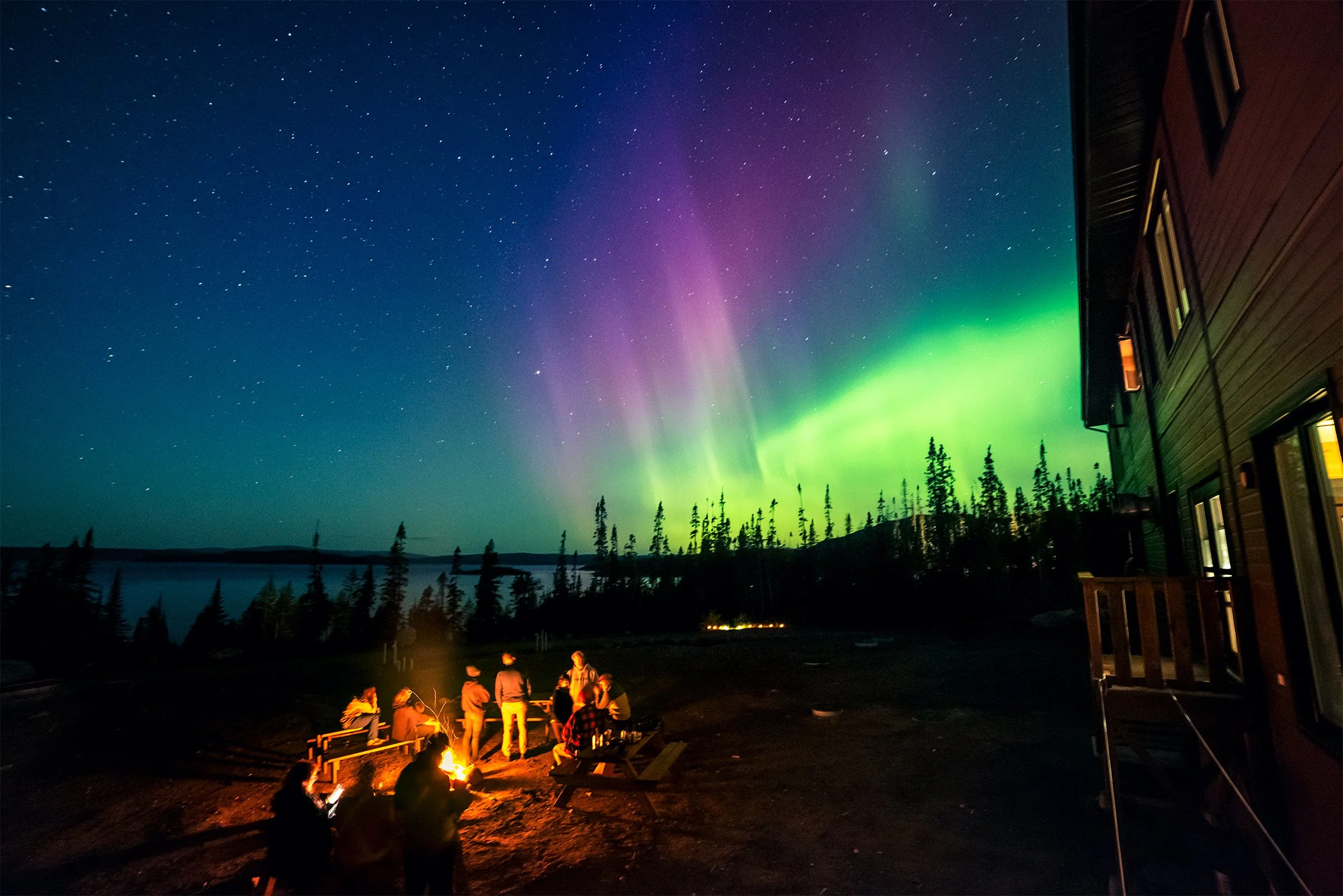
Aurora Borealis at Station Uapishka in the Manicouagan Biosphere Region by David Béland
Manicouagan–Uapishka (Québec, Canada)
Why go: Anchored by the iconic circular Manicouagan reservoir (“Eye of Québec”), this vast northern territory showcases glacial and meteor impact geology and boreal ecosystems. Wake to a circle of water and tundra light at Station Uapishka, tucked below the Uapishka (Groulx) Mountains on the rim of the Manicouagan reservoir.
The region: The Manicouagan–Uapishka Biosphere Region covers a vast stretch of Québec’s North Shore, from the St. Lawrence River communities of Pessamit and Baie-Comeau to the inland Uapishka (Groulx) Mountains within the Uapishka Biodiversity Reserve.
Regenerative highlights:
Station Uapishka: co-created with the Pessamit Innu, hosts research, cultural exchange, and low-impact stays in Nitassinan.
Join local stewards and scientists on the land, where community leaders coordinate the care and future of this UNESCO Biosphere Region.
Bring your own gear to explore independently: kayaking, paddle boarding, and hiking are all possible experiences within the surrounding landscape.
Travel gently: Choose community-aligned lodging (e.g., Station Uapishka) and ask about citizen-science or monitoring opportunities.
Watch: this incredible video discovering Uapishka Station and its exceptional surroundings!

Highland mountains rising above a quiet loch with rolling fields in Wester Ross Biosphere Region, near the Coigach coast.
Wester Ross (Scotland)
Why go: One of Europe’s most sparsely populated regions (≈5,200 km²), where Gaelic heritage, crofting culture, wild coasts, and ancient pinewoods converge. Walk beside Loch Maree where ancient Caledonian pines frame the water and golden eagles ride the thermals over Beinn Eighe.
Regenerative highlights:
Explore responsibly via Scotland’s UNESCO Trail and support small crofts, community enterprises, and habitat projects.
Use local guidance from the Wester Ross Biosphere team for current restoration and learning opportunities.
This was the UK’s first National Nature Reserve and it still protects rare pinewood habitats and specialist birds like crossbills.
Travel gently: Follow local access codes, choose public transport when you can, and buy directly from crofters and makers.
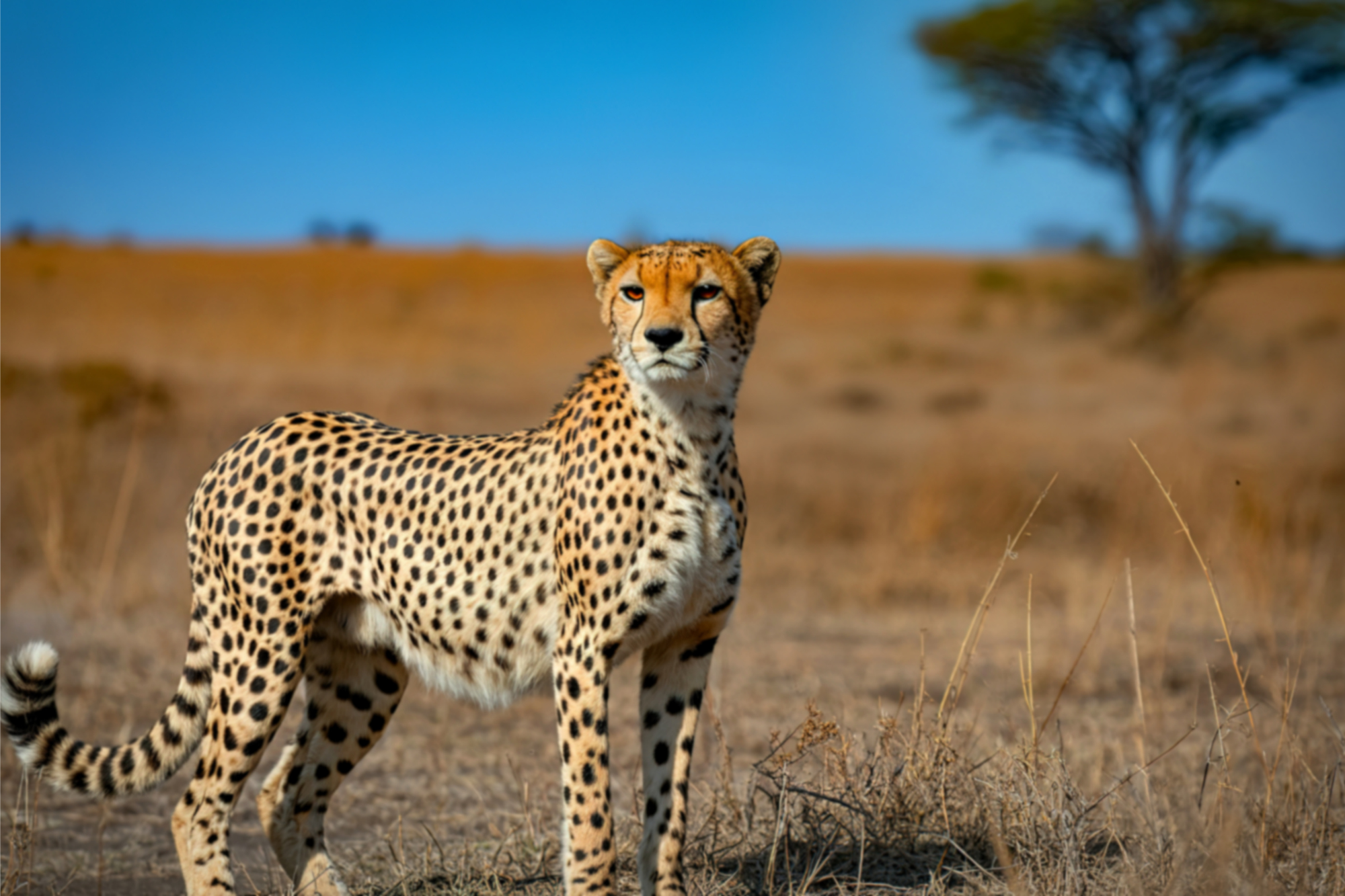
Cheetah standing alert in open savanna grassland.
Waterberg (Limpopo, South Africa)
Why go: A vital water catchment and mountainous savanna designated in 2001, with conservation, education, and community livelihoods at its core.
Regenerative highlights:
Stay with eco-lodges and community partners whose revenues support conservation and learning.
Plan with the Waterberg Biosphere and regional tourism portals for low-impact experiences.
Choose operators that partner with Lapalala Wildnerness School or the biosphere’s education and restoration work, and ask how your stay supports those programmes.
Travel gently: support operators focused on restoration and environmental education, ensuring your trip makes a positive contribution.
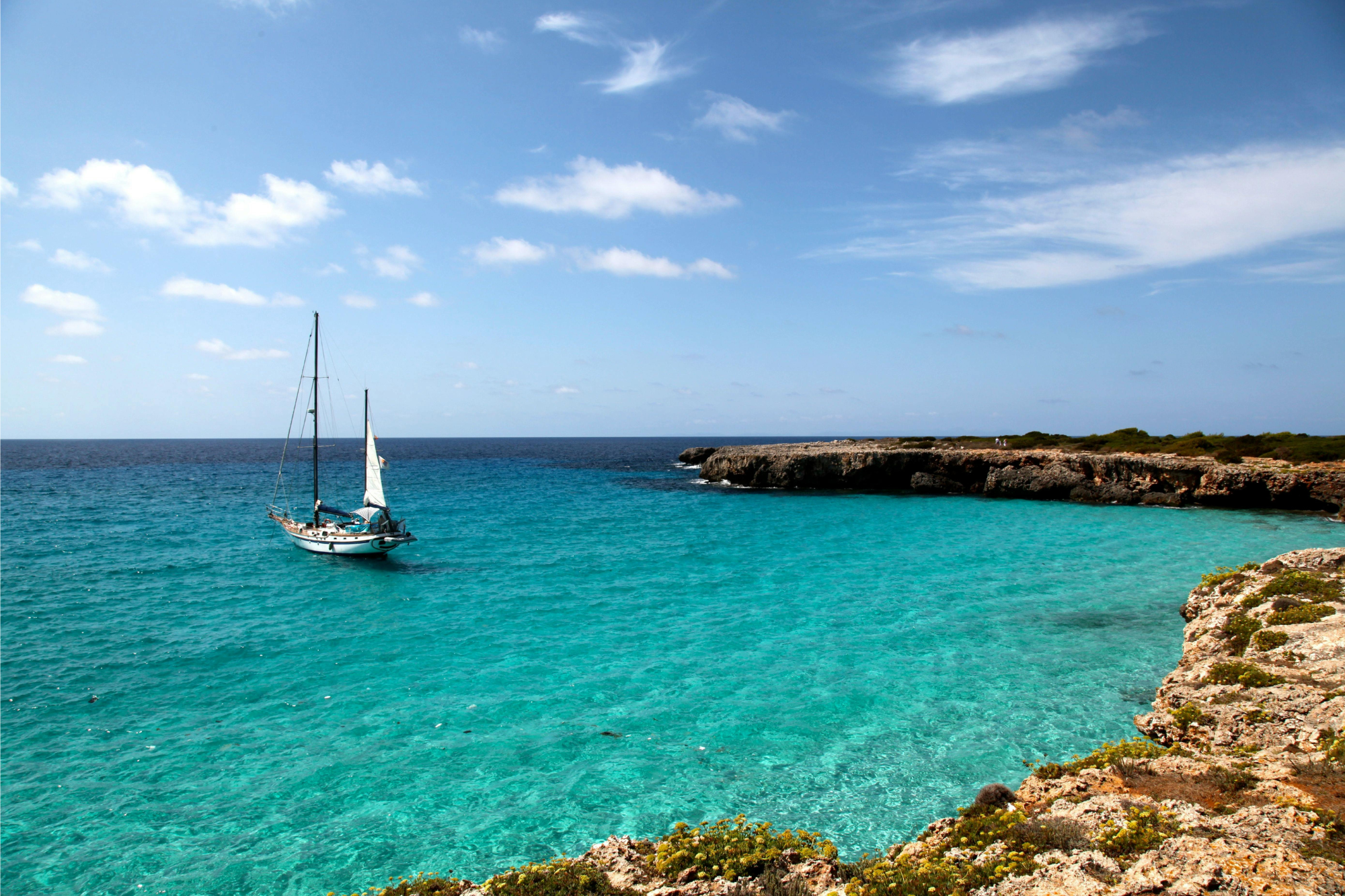
Sailboat gliding over clear turquoise water along the rocky coast near Ciutadella de Menorca Biosphere Region.
Menorca (Balearic Islands, Spain)
Why go: Recognised by UNESCO since 1993 for balancing community life with careful coastal and rural stewardship. Follow a cliff path on the Camí de Cavalls and look down on Posidonia seagrass meadows that keep the water clear and full of life.
Regenerative highlights:
Walk a stage of the Camí de Cavalls, ≈185 km around the island, sticking to marked trails to protect dunes and seagrass meadows.
Engage with local sustainability efforts and artisan producers that keep traditional, low-impact practices alive.
Since 2019 the UNESCO designation extends across the island’s surrounding waters, making Menorca the largest Marine Biosphere Reserve in the Mediterranean.
Travel gently: walk the Camí de Cavalls with care by sticking to marked trails, and choose local artisans and food producers to support Menorca’s living traditions.
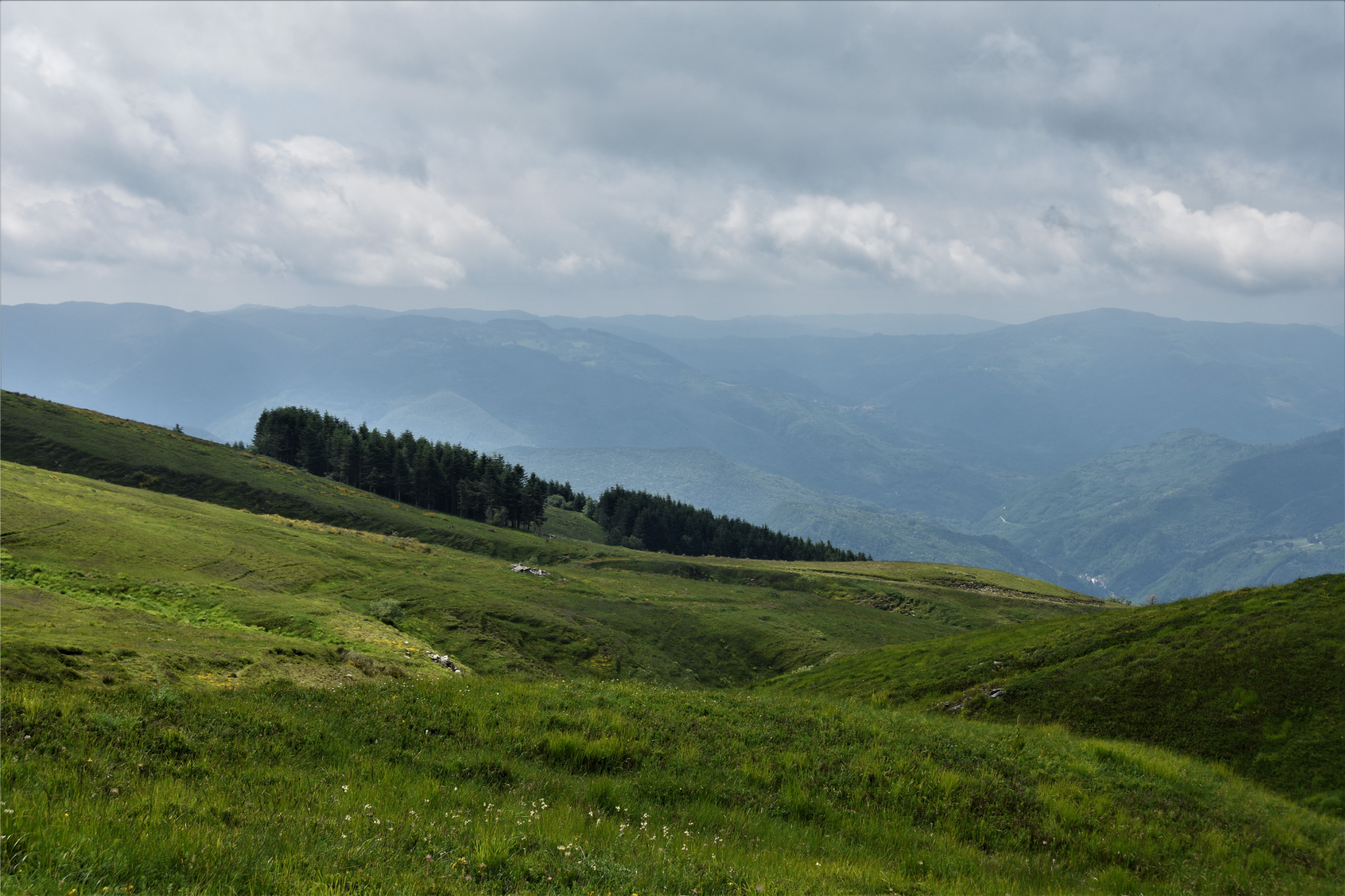
Lush green fields and layered hills in the Appennino Tosco-Emiliano Biosphere Region.
Appennino Tosco-Emiliano (Italy)
Why go: Spanning the Tuscan-Emilian Apennines, this region bridges Mediterranean and continental climates, linking mountain villages, chestnut forests, and protected cores. Hike toward the high ridge where beech and chestnut woods open to icy lakes and meadows, and listen for wolves and golden eagles on the wind.
Regenerative highlights:
The biosphere region links villages across Emilia-Romagna and Tuscany and balances farming traditions with conservation goals under the UNESCO MAB framework.
Choose agriturismi rooted in sustainable farming, then set out on trails that link villages with the park’s conservation zones.
Learn how the park integrates community development with conservation as part of its MAB designation.
Travel gently: stay at agriturismi that follow sustainable practices, and travel between villages in ways that keep your footprint light.
Leave a legacy, not just a footprint
Regenerative tourism is about reciprocity: learning, contributing, and amplifying local efforts. When we choose sustainable travel experiences in UNESCO Biosphere Regions, we help nature and communities thrive.
Want more stories and tools for regenerative tourism? Subscribe to our newsletter for inspiration, resources, and ways to support UNESCO Biosphere Regions.

Sun setting behind the sea arch at Pont d’en Gil on Menorca Biosphere Region’s west coast.